

Columbia Workshop
Columbia Workshop treated radio as a medium worth experimenting with, not merely a delivery system for stage plays and popular entertainment. Its broadcasts explored narration, music, sound effects, literary adaptation and original writing with a freedom that makes the series feel more like a laboratory than a conventional anthology. The show is closely associated with figures such as Norman Corwin, Bernard Herrmann, Irving Reis and William N. Robson, but its identity is broader than any one producer. GRH’s substantial collection makes it possible to hear experimentation as a continuing practice rather than as a handful of famous exceptions.
Where to Start
Researched entry points from recordings already in the Golden Radio Hour archive.
A Comedy of Danger – The Finger of God
The first cataloged broadcast is a natural entry point for hearing the Workshop establish its experimental purpose from the beginning.
Episode details →The Fall of the City
The Fall of the City is one of the Workshop’s historically recognized productions and a strong example of radio using voice and massed sound to create scale.
Episode details →Scoring for Radio (Vocabulary of Music)
Scoring for Radio makes the medium itself part of the subject, a useful choice for listeners who want to hear the Workshop thinking about radio craft rather than only story.
Episode details →Program History
CBS's influential experimental anthology, created as a laboratory for radio drama and known for unusual scripts, literary adaptations, music, narration, and inventive use of sound.
CBS sustaining experimental anthology and radio-drama laboratory.
The run breaks into several distinct periods: Original experimental run (July 18, 1936 to November 8, 1942) on CBS Radio Network, Postwar revival (February 2, 1946 to January 25, 1947) on CBS Radio Network, and Once Upon a Tune continuation (February 1, 1947 to April 26, 1947) on CBS Radio Network.
Names that turn up again and again in the surviving run include Norman Corwin (director, writer, and producer), William N. Robson (director, producer, and radio adaptor), Bernard Herrmann (conductor, composer, and music), Frank Lovejoy (performer), Alexander Semmler (conductor, composer, and arranger), Earle McGill (director, host, and performer), and Irving Reis (director, producer, and writer).
Across its run, the surviving broadcasts are tied to CBS Radio Network, WBNS, KNX, Armed Forces Radio Service, and WABC.
The stories often return to literature and literary adaptation, radio experimentation, music and sound, war and conflict, science and technology, and crime and violence.
The show also sits in a wider radio history that includes Network radio as an experimental dramatic art, Experimental broadcast sound techniques, and Postwar revival of experimental network drama.
If you are following the same actors and creative circles, related programs worth opening next include Words at War, Yours Truly, Johnny Dollar, X Minus One, Lux Radio Theatre, and Theater Five.
All Episodes & Recordings
Search this program or browse in its validated catalog order.
A Comedy of Danger – The Finger of God
Two short dramas pair a trio trapped in a flooding Welsh coal mine with a crooked investment chief whose theft scheme meets supernatural resistance.
Broadway Evening
An impressionistic evening on Broadway unfolds through location sounds and overheard conversations rather than a conventional plot.
Cartwheel
An experimental 23-scene drama compresses fifty years into fifteen minutes, followed by technical demonstrations of long-distance radio reception and older carbon microphones versus modern velocity microphones.
Experiment – Highway Incident
Two experimental radio pieces explore uncanny extrasensory perception and a highway crime whose consequences turn toward retributive justice.
Case History
A dying pilot finds himself touring a strange airport poised at the edge of an abyss.
The March of the Molecules – There Must Be Something Else
An experimental demonstration explores radio's ability to create an unseen world through sound, technical manipulation, and the listener's imagination.
The San Quentin Broadcast
A dramatized behind-the-scenes experiment shows how a topical real-world story can be transformed into a radio production within only a few hours.
A Voyage to Brobdingnag
An experimental adaptation of Gulliver's Travels sends Gulliver among the giants of Brobdingnag while using unusual radio techniques to create the fantastic scale of his surroundings.
Hamlet, Part 1
Orson Welles leads the opening portion of Hamlet, covering the prince's encounter with his father's ghost and the suspicions that set his revenge in motion.
The Dream Makers – The Sound Microscope
Two makers of nightmares manufacture dreams for sleeping people, followed by an experimental demonstration of radio sound effects.
Dauber
A young artist who longs to paint the sea signs onto a sailing ship, where hardship and life aboard the vessel test his romantic vision of the ocean.
Scoring for Radio (Vocabulary of Music)
Deems Taylor guides a musical demonstration using works by composers including Debussy and Bizet to show how music can function as part of radio storytelling.
Hamlet, Part 2
The second broadcast completes the tragedy of Hamlet as the prince's pursuit of vengeance drives the Danish court toward its fatal conclusion.
The Use of Theaters for Broadcasts
An electrical-science demonstration explains how a theater was adapted for radio broadcasting, then the Actors’ Repertory Company performs scenes from E. P. Conkle’s Two Hundred Were Chosen using parabolic microphones…
The American Patent System
A dramatized history traces the American patent system and the inventors and inventions it encouraged, linking legal protection to technological progress.
Rhythm of the Jute Mill
After murdering a moneylender who prevents him from finishing his symphony, a troubled composer is sentenced to life in prison and later gets an unexpected chance to lead the prison…
The Gods of the Mountain
Seven beggars impersonate gods, a deception that grows increasingly dangerous as their claim is put to the test.
The Happy Prince
A gilded statue and a compassionate swallow give away the prince's jewels and gold to relieve suffering among the poor people of the city.
Public Domain
A philosophical dialogue set in an imaginary place called the Public Domain uses allegory to examine ideas, ownership, and the freedom of human thought.
Control Engineers, Part 1 – Voyage to Lilliput
The program demonstrates how a control-room engineer can shape or ruin a radio production through mixing and sound, paired with an experimental journey into Gulliver's Lilliput.
The Signalman
A journalist visits a railroad signalman who believes he is being haunted by a supernatural warning.
The Rime of the Ancient Mariner
A sailor kills an albatross and brings supernatural disaster upon his ship, forcing him through terror, isolation, and penance before he can return home.
Pitch and Pitch Perception
A Bell Telephone Laboratories demonstration examines how people perceive musical pitch and explores the auditory properties behind one of hearing's most basic sensations.
Split Seconds
As a playwright struggles in the water, fragments of his thoughts and memories flash through his mind.
Danse Macabre
Death, lonely and personified, wanders a kingdom playing his violin and searching for someone willing to dance with him.
The Eve of St. Agnes
A young lover secretly enters the home of the woman he loves on St. Agnes' Eve, using the legendary night and her dreams as the setting for their escape together.
Big Ben – Crisis
Two student-written experimental dramas pair a prank in which Big Ben is rigged to strike nine at eight o’clock with a second story about a young man driven into delirium…
The Fall of the City
A nameless city faces an approaching conqueror while fear and weakness within the population prove as dangerous as the army outside.
R U R
On an isolated island, a factory manufactures obedient humanlike robots while activist Helena Glory arrives determined to free them from exploitation.
St. Louis Blues
A series of dramatic vignettes unfolds around repeated performances of the song 'St. Louis Blues,' using music to connect otherwise separate scenes.
Drums of Conscience
During a community fish fry, a murderer becomes convinced that the ghosts of an African slave ship are haunting him.
Supply and Demand
A dramatized economic lesson uses a fictional situation to explain how supply, demand, prices, and human choices interact.
Paul Revere
Stephen Vincent Benet's radio drama reimagines Paul Revere and the famous warning ride that helped alert colonial communities as the Revolution approached.
A Night at an Inn
Four thieves who stole the ruby eye from an Indian idol wait nervously for the idol's worshippers to come reclaim it.
Discovery
The final voyage of explorer Henry Hudson is dramatized as mutiny, isolation, and conflict aboard ship lead toward his disappearance and presumed death.
The Downbeat on Murder
A troubled musician begins hearing sinister music that others cannot hear, and his unhappy family life and growing instability push the story toward violence.
Red-Head Baker
A drama-documentary follows a juvenile delinquent whose path toward reform school changes when people intervene and offer him another chance.
Babouk
A slave named Babouk becomes part of an uprising against oppression during the turbulent era of the French Revolution.
The Tell-Tale Heart
An asylum employee recounts the story of a murderer whose extreme sensitivity to sound becomes central to his unraveling.
Fifty Grand
An aging champion boxer, worn down by years in the ring, must face a younger challenger while confronting what remains of his career and pride.
Cast, Crew & Contributors
Every relationship below is backed by the current Golden Radio Hour smart index. Open a profile, or use the broadcast count to see the exact recordings connecting that person to this program.
 Norman Corwin
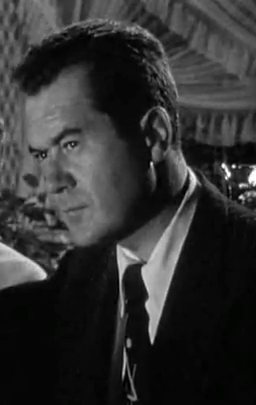 Frank Lovejoy
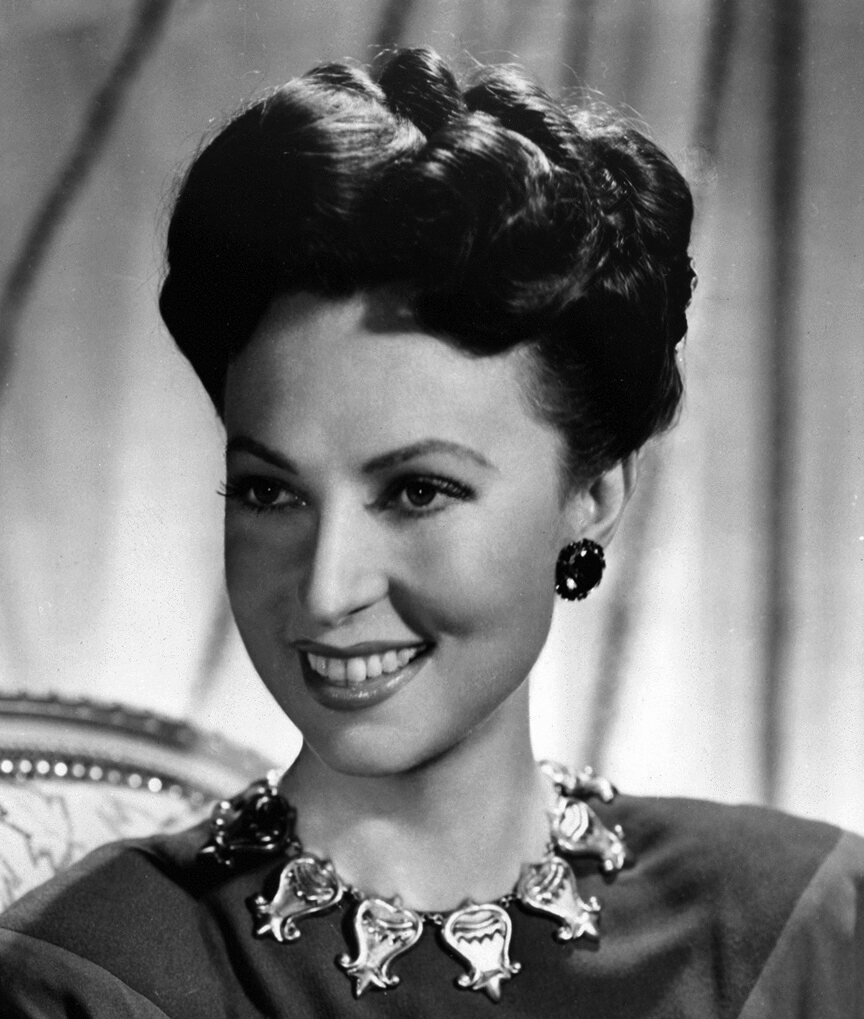 Agnes Moorehead
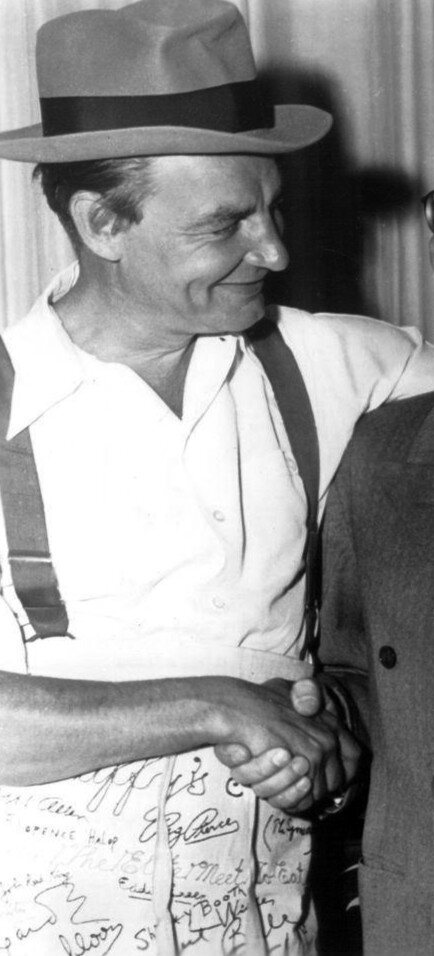 Ed Gardner
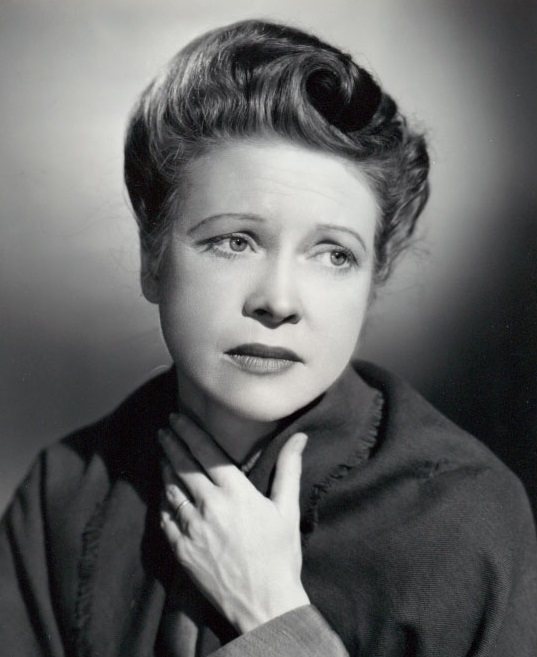 Lurene Tuttle
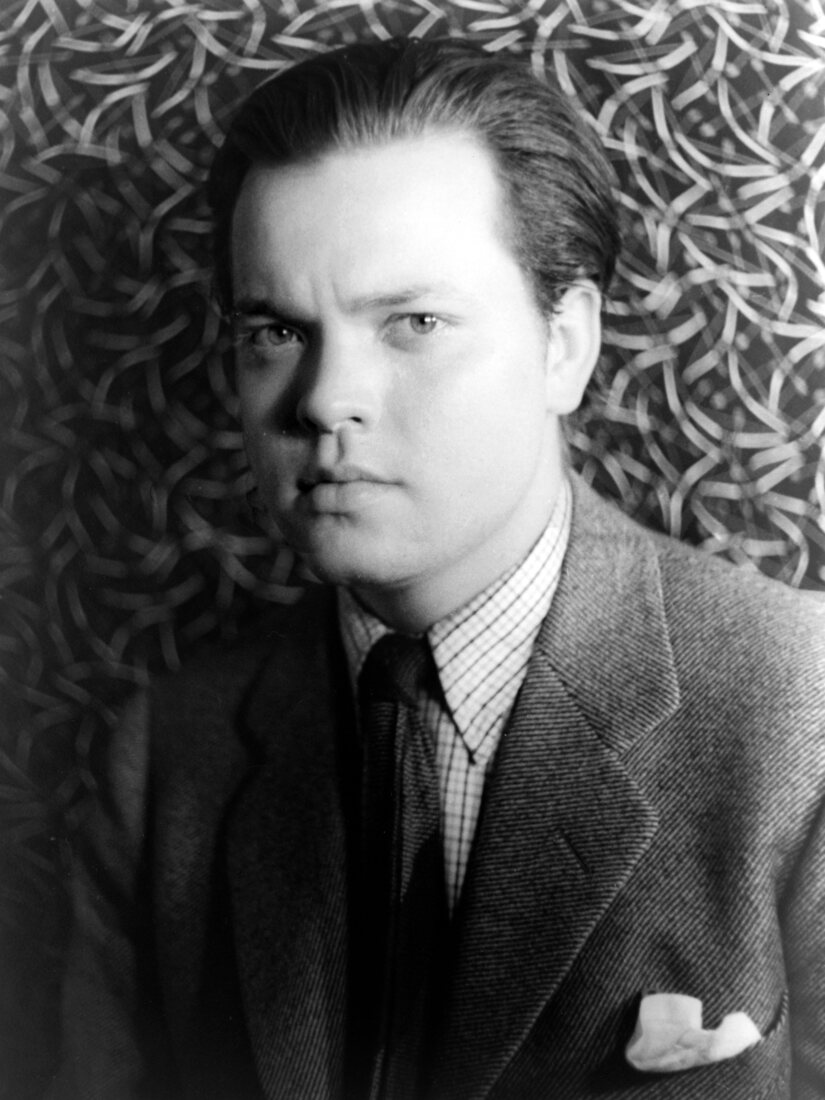 Orson Welles
More Science Fiction Radio
Programs connected through the most specific listening path for this show.